
Abstract:
Background: Accurate assessment of vaccination coverage is essential for evaluating the performance of national immunization programs and ensuring sustained protection against vaccine-preventable diseases. Oman has maintained high reported administrative coverage for many years; however, population-based validation was needed to assess actual vaccination coverage and identify potential gaps in service delivery.
Methods: A national cross-sectional immunization coverage survey was conducted between February and March 2023 across all 11 governorates of Oman. The study employed the World Health Organization cluster sampling methodology and targeted children under five years of age eligible for routine childhood vaccines, including BCG, hepatitis B, pentavalent, hexavalent, pneumococcal conjugate, oral polio, measles-mumps-rubella, varicella, and hepatitis A vaccines. Data were collected through face-to-face interviews using a standardized electronic questionnaire. Vaccination status was verified through immunization records, and coverage estimates were calculated with 95% confidence intervals.
Results: A total of 17,501 children were included in the final analysis. The survey achieved national representation across all governorates and demonstrated exceptionally high vaccination uptake. Crude national vaccination coverage approached 100%, while fully vaccinated coverage ranged between 87% and 99% depending on age group and antigen. Only one child (0.01%) was completely unvaccinated, and 1.3% were partially vaccinated. Omani children were significantly more likely to be fully vaccinated than non-Omani children. Children residing in Muscat and Dhofar had lower odds of complete vaccination compared with children in other governorates. Differences between crude and valid coverage highlighted delays in receiving scheduled vaccinations, particularly as children became older. Acute illness around the scheduled vaccination date was the most frequently reported reason for delayed immunization.
Conclusions: The survey confirms that Oman has achieved and sustained very high childhood immunization coverage, consistent with administrative reporting and international targets. The findings demonstrate strong public acceptance of vaccination and the effectiveness of the national immunization programme. Addressing vaccination delays through strengthened follow-up mechanisms, caregiver education, and timely vaccination reminders could further optimize programme performance and sustain Oman’s achievements in vaccine-preventable disease control and elimination.
Biography:
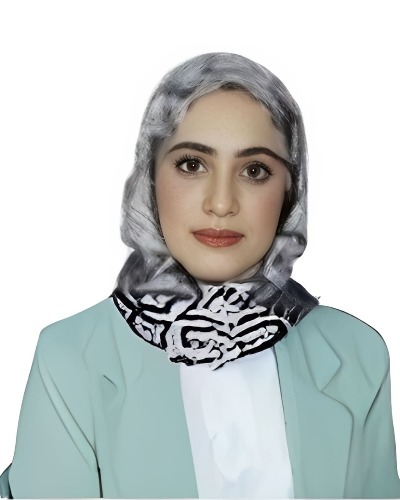
Noura Al-Farsi is a senior Nurse working as a public health professional with the Department of Communicable Diseases at the Centre for Disease Control and Prevention, Ministry of Health, Oman. Her work focuses on immunization policy, vaccine-preventable disease surveillance, vaccination coverage monitoring and implementation of national immunization strategies. She has contributed to several national studies and public health initiatives supporting evidence-based decision-making and strengthening immunization systems in Oman. Her interests include vaccine programme evaluation, disease elimination initiatives, and the use of epidemiological evidence to improve population health outcomes.
© 2026 Mathews International LLC. All rights reserved.
