
Abstract:
Background: Food insecurity remains an important public health challenge in Brazil and disproportionately affects populations living in contexts of social vulnerability. Children and adolescents exposed to food insecurity are at increased risk of inadequate dietary patterns, including reduced access to healthy foods and greater consumption of ultra-processed products. Monitoring dietary consumption markers is an important strategy for identifying nutritional risks and guiding public health interventions. In this context, this study aimed to analyze the relationship between household food insecurity and dietary consumption markers among children and adolescents living in socially vulnerable settings in Brazil.
Methods: This descriptive and exploratory study with a quantitative approach was conducted at a Child and Adolescent Center (CCA Irmã Jacinta) located in the eastern region of São Paulo, Brazil, an area characterized by high social vulnerability. The center provides educational, cultural, and recreational activities for children aged 6–14 years during after-school hours and offers meals during their stay. The study included children regularly enrolled in the center who had the cognitive ability to answer the questionnaire, as well as their respective caregivers. A total of 20 children and adolescents and 12 caregivers participated, resulting in 20 child–caregiver pairs, since some caregivers were responsible for more than one child.
Dietary consumption markers were assessed using the Food Consumption Markers questionnaire from the Food and Nutrition Surveillance System (SISVAN), which evaluates eating habits and the consumption of specific food groups on the previous day. Household food insecurity was assessed using the Brazilian Food Insecurity Scale (EBIA), a validated instrument composed of 14 questions that classify households into mild, moderate, or severe food insecurity according to the number of affirmative responses. Data collection took place between April and July 2025. Children were interviewed during their routine stay at the center, while caregivers completed the EBIA either in person or remotely. Data were stored in the REDCap® platform and analyzed using descriptive statistics.
Results: Among the participating children, only 5% reported consuming all six recommended daily meals, while 83.3% of households were classified as experiencing some level of food insecurity. Regarding dietary patterns, 75% of children reported consuming fruits, vegetables, or legumes and 60% consumed beans on the previous day. However, the intake of ultra-processed foods was highly prevalent: 85% consumed sugar-sweetened beverages, 60% consumed sweets or candies, and 50% reported eating processed meats or hamburgers. In addition, 80% reported eating meals while watching television or using electronic devices. Among caregivers, 75% reported difficulty accessing a variety of foods, mainly due to financial constraints.
Conclusion: Children and adolescents living in socially vulnerable contexts experience high levels of food insecurity and dietary patterns characterized by frequent consumption of ultra-processed foods. These findings highlight the importance of strengthening food and nutrition surveillance and expanding the use of food insecurity assessment tools in primary health care in order to better identify vulnerable populations and support the development of effective public policies aimed at improving child nutrition.
Keywords: Food Insecurity; Child Nutrition; Ultra-Processed Foods; Social Vulnerability; Hunger.
Biography:
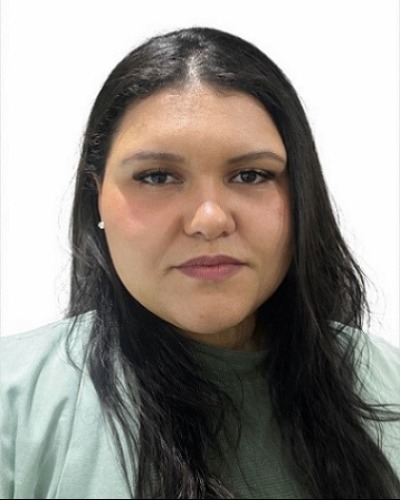
Thaisa Santana Dornellez is a nurse who graduated in 2025 with a bachelor’s degree in nursing from the Federal University of São Paulo (UNIFESP). During her undergraduate training, she engaged in community-based extension projects focused on socially vulnerable populations, including people experiencing homelessness and children in vulnerable settings. Her work emphasized health education, food security, and initiatives addressing hunger in Brazil. In 2026, she joined the Family Health Nursing Residency and Specialization Program at the Sorocaba Municipal Health Department, where she currently works in primary health care and community health.
© 2026 Mathews International LLC. All rights reserved.
