
Abstract:
Background: Postoperative patients with spinal vascular malformations often face substantial rehabilitation challenges. Early rehabilitation needs and self-efficacy in performing rehabilitation behaviors jointly influence recovery outcomes; however, the characteristics and influencing factors of different patient subgroups formed by the combination of these two dimensions remain unclear. Guided by Protection Motivation Theory, this study aimed to identify latent profiles of early rehabilitation needs and self-efficacy among patients with spinal vascular malformations and to explore their influencing factors.
Methods: A cross-sectional study design was adopted. A total of 193 postoperative patients with spinal vascular malformations were surveyed using structured questionnaires to assess sociodemographic characteristics, early rehabilitation needs, self-efficacy, discharge readiness, and quality of discharge services. Latent profile analysis was used to identify patient subgroups, and binary logistic regression was applied to examine factors associated with different profiles.
Results: Two distinct latent profiles were identified: a “low needs-high self-efficacy” group (49.5%) and a “high needs-low self-efficacy” group (50.5%). Patients in the “high needs-low self-efficacy” group exhibited strong rehabilitation motivation but insufficient self-efficacy, constituting a high-risk subgroup. Logistic regression analysis showed that female (OR = 0.348, P = 0.014) was associated with a higher likelihood of belonging to the high-risk group. A higher satisfaction with discharge needs (OR = 0.898, P < 0.001) would reduce the risk of patients being classified into the “high needs–low self-efficacy” group.
Conclusion: Marked heterogeneity exists in rehabilitation needs and self-efficacy among patients with spinal vascular malformations. The “high needs-low self-efficacy” profile warrants particular clinical attention. Sex is an influencing factor for profile membership, while fulfillment of rehabilitation needs within discharge services represents a key modifiable factor.
Biography:
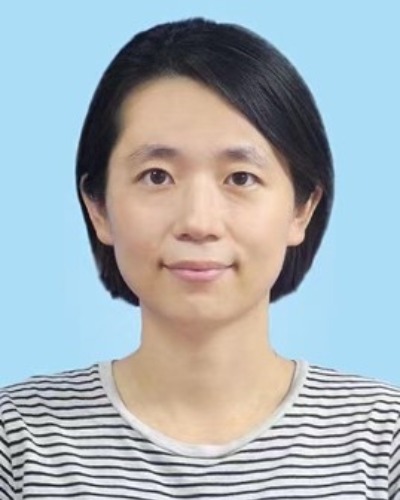
Xin Guan, Master, Associate Chief Nurse, has 18 years of experience in neurosurgery nursing at Xuanwu Hospital, Capital Medical University. She serves as Vice Chair of the Neurosurgery Nursing Committee of Beijing Nursing Association. Her achievements include leading several research projects, publishing over 10 first-author papers in core journals, and co-authoring 2 monographs.
© 2026 Mathews International LLC. All rights reserved.
