
Abstract:
Occupational burnout among nursing personnel has become one of the most significant medico-social and occupational health challenges in modern healthcare systems. Chronic psychoemotional stress, high workload intensity, shift work, and prolonged exposure to emotionally demanding situations contribute to the development of functional overstrain, autonomic imbalance, reduced work ability, and stress-related disorders. Despite the growing recognition of burnout as a multidimensional phenomenon, the psychophysiological mechanisms underlying its development remain insufficiently studied, particularly in healthcare workers from Central Asian countries.
The aim of this study was to investigate the psychophysiological characteristics of occupational burnout in nurses and to evaluate the role of autonomic regulation and non-pharmacological physiological interventions in stress adaptation and prevention of burnout-related disorders.
A comprehensive cross-sectional and functional assessment was conducted among nursing personnel using psychometric, physiological, and functional methods. Occupational burnout was assessed using the Maslach Burnout Inventory (MBI-HSS), Copenhagen Burnout Inventory (CBI), and Boyko’s burnout questionnaire. Additional evaluation included indicators of work ability, psychoemotional state, cardiovascular function, and heart rate variability (HRV), allowing objective assessment of autonomic nervous system activity and adaptive reserves.
The results demonstrated a high prevalence of emotional exhaustion, chronic stress, and maladaptive autonomic regulation among nurses. Increased burnout severity was associated with elevated stress index values, decreased parasympathetic activity, reduced HRV parameters, and signs of functional overstrain. The findings support the concept that occupational burnout is accompanied not only by psychological disturbances but also by measurable psychophysiological dysregulation involving neurovegetative and cardiovascular adaptation mechanisms.
Special attention was given to physiologically oriented non-pharmacological interventions aimed at restoring autonomic balance and adaptive capacity. The application of the diving reflex as a vagally mediated physiological intervention demonstrated potential for reducing neurovegetative tension, improving HRV parameters, and supporting recovery processes under chronic occupational stress conditions.
The study highlights the importance of integrating psychophysiological monitoring, occupational health programs, organizational interventions, and physiological stress-reduction strategies into healthcare workforce protection systems. The presented findings may contribute to the development of evidence-based approaches for prevention of occupational burnout and preservation of professional longevity among healthcare workers in Kazakhstan and other regions facing similar occupational health challenges.
Biography:
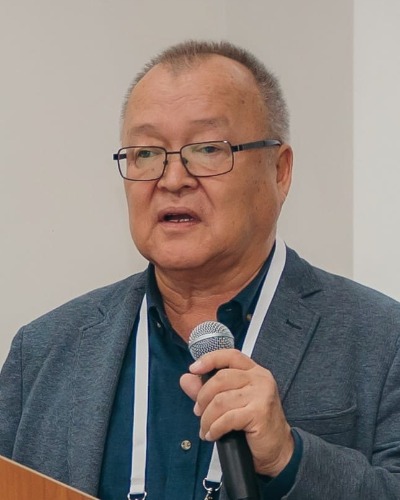
Professor Nurlan Smagulov is a Doctor of Medical Sciences and Professor specializing in occupational psychophysiology, occupational and environmental health, age physiology, and professional well-being. He graduated from Karaganda State Medical Institute in 1979 and has more than 47 years of academic and research experience. He is the author of over 500 scientific publications, including papers indexed in Scopus, and holds 8 patents. Professor Smagulov leads state-funded research projects in Kazakhstan and participated in the international “Mars-500” simulated manned mission to Mars project. He has supervised 1 doctoral and 18 candidate theses and currently works at Buketov Karaganda National Research University
© 2026 Mathews International LLC. All rights reserved.
