
...
N.D. Zelinskii Institute for Organic Chemistry of the Russian Academy of Sciences, Russian Federation
Abstract:
A new systems approach to diseased states and wellness result in a new branch in the healthcare services, namely, personalized and precision medicine (PPM). To achieve the implementation of PPM concept, it is necessary to create a fundamentally new strategy based upon the subclinical recognition of biomarkers of hidden abnormalities long before the disease clinically manifests itself. The implementation of PPM requires major health systems changes, including the incorporation of information technology to handle the data and introduce support tools for clinical use of the information. However, it also brings important implications for nursing to the forefront as nurses must have adequate preparation and knowledge of the ongoing evidence to care for patients using PPM-based strategies. As patient advocates, educators, and providers of direct care, nurses will be on the front lines of implementation of state of the science care.
Each decision-maker values the impact of their decision to use PPM on their own budget and well-being, which may not necessarily be optimal for society as a whole. It would be extremely useful to integrate data harvesting from different databanks for applications such as prediction and personalization of further treatment to thus provide more tailored measures for the patients resulting in improved patient outcomes, reduced adverse events, and more cost effective use of the latest health care resources including diagnostic (companion ones), preventive and therapeutic (targeted molecular and cellular) etc.
Specific to oncology, there is an ever-increasing complexity to and utilization of genetic testing in clinical care. Nurses in oncology have witnessed increased utility of genomic analysis for individualized tumor analysis and the evolution of targeted drugs for blocking more specific biochemical pathways. Those advancements are also changing the scope of nursing care and practice as nurses address patient implications of PPM.
Nurses need to be at the forefront of patient care with a multidisciplinary team to truly deliver PPM-based care. Nurses need to be prepared to assist patients in interpreting the results of clinical genetic testing, as well as commercially available consumer-based testing, and/or referring to genetic specialists as needed. It is likely that these activities will be in concert with a genetic counselor; however, nurses are anticipated to fill the increasing gap in services related to genetic counseling that are consistent with the scope of nursing practice. Nurses need to assess other clinical risk factors; discuss and clarify patient values and priorities; provide information to enhance decision making around screenings or risk-reducing treatments; and provide support for family notification and testing as indicated.
The implications in PPM-based cancer nursing care include interpretation and clinical use of novel and personalized information including support for patient decision-making mentioned above. Nurses face increasing challenges and opportunities in communication, support, and advocacy for patients given the availability of advanced testing, care and treatment in PPM.
Meanwhile, a lack of medical guidelines has been identified by responders as the predominant barrier for adoption, indicating a need for the development of best nursing practices and guidelines to support the implementation of PPM! This is the reason for developing global scientific, clinical, social, and educational projects in the area of PPM to elicit the content of the new branch. So, nursing education and continuing education, clinical decision support, and health systems changes will be necessary to provide personalized multidisciplinary care to patients, in which nurses play a key role.
Biography:
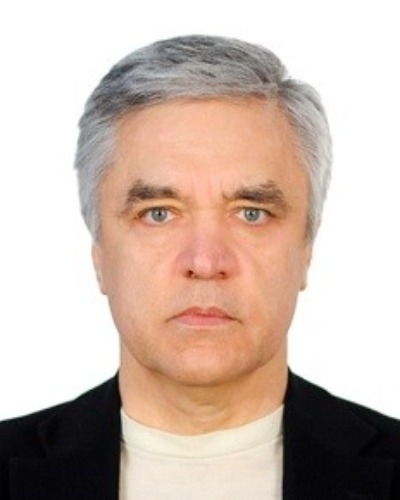
Sergey Suchkov was born in the City of Astrakhan, Russia, in a family of dynasty medical doctors. In 1980, graduated from Astrakhan State Medical University and was awarded with MD. In 1985, Suchkov maintained his PhD as a PhD student of the I.M. Sechenov Moscow Medical Academy and Institute of Medical Enzymology. In 2001, Suchkov maintained his Doctor Degree at the National Institute of Immunology, Russia. From 1989 through 1995, Dr Suchkov was being a Head of the Lab of Clinical Immunology, Helmholtz Eye Research Institute in Moscow. From 1995 through 2004 - a Chair of the Dept for Clinical Immunology, Moscow Clinical Research Institute (MONIKI). In 1993-1996, Dr Suchkov was a Secretary-in-Chief of the Editorial Board, Biomedical Science, an international journal published jointly by the USSR Academy of Sciences and the Royal Society of Chemistry, UK.
Copyright 2024 Mathews International LLC All Rights Reserved
