
Abstract:
Background: Hepatic ischemia/reperfusion (I/R) injury is one of the major pathological processes associated with various liver surgeries. However, there is still a lack of strategies to protect against hepatic I/R injury because of unknown underlying mechanism. The present study aimed to identify a potential strategy and provide a fundamental experimental basis for treating hepatic I/R injury.
Method: A classic 70% ischemia/reperfusion injury was established. Immunoprecipitation was used to identify direct interactions between proteins. The expression of proteins from diferent subcellular localizations was detected by Western blotting. Cell translocation was directly observed by immunofuorescence. HE, TUNEL and ELISA were performed for function tests.
Result: We report that tripartite motif containing 37 (TRIM37) aggravates hepatic I/R injury through the reinforcement of IKK-induced inflammation following dual patterns. Mechanistically, TRIM37 directly interacts with tumor necrosis factor receptor-associated factor 6 (TRAF6), inducing K63 ubiquitination and eventually leading to the phosphorylation of IKKβ. TRIM37 enhances the translocation of IKKγ, a regulatory subunit of the IKK complex, from the nucleus to the cytoplasm, thereby stabilizing the cytoplasmic IKK complex and prolonging the duration of inflammation. Inhibition of IKK rescued the function of TRIM37 in vivo and in vitro.
Conclusion: Collectively, the present study discloses some potential function of TRIM37 in hepatic I/R injury. Targeting TRIM37 might be potential for treatment against hepatic I/R injury. Targeting TRIM37 might be a potential treatment strategy against hepatic I/R injury.
Biography:
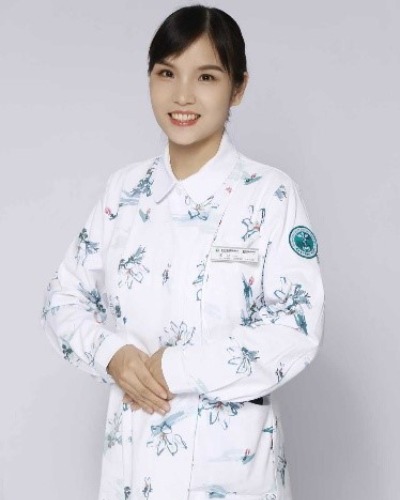
Yanhong Yang is the head nurse of the Hepatobiliary and Pancreatic Tumor Center at Chongqing University Affiliated Cancer Hospital. She is in charge of the scientific research, teaching and clinical work of all the nurses in the department. She has extensive experience in clinical invasive procedures and patient care, particularly in the care of critically ill patients following liver, gallbladder and pancreatic surgeries.
© 2026 Mathews International LLC. All rights reserved.
